How Does Anime Licensing Work? AniBiz Gets $6 Million From TBS, Toei and TV Tokyo
AniBiz, a marketplace for licensing anime characters to brands and companies, got a US$6 million investment from TBS, Toei Animation and TV Tokyo on October 27, 2026. What it does, how anime licensing works and who really benefits.
| Category | Anime |
|---|---|
| Published | OCT 28, 2026 |
| Read time | 4 MIN |
Anime licensing is how the companies that own an anime's rights let other businesses use its characters and content, for a fee. On October 27, 2026, that business got a new player with serious backing: AniBiz, an online marketplace for anime licensing, received a US$6 million investment from three of Japan's biggest anime rights holders, TBS Group, Toei Animation and TV Tokyo Holdings. The goal is to make licensing anime less about who you know.
- The deal: AniBiz received US$6 million from TBS Group, Toei Animation and TV Tokyo Holdings, Variety reported on October 27, 2026.
- What AniBiz is: a business-to-business marketplace that connects anime rights holders with brands, manufacturers, retailers, game studios and other companies that want to license anime.
- Who runs it: Nakama, the anime media company co-founded by Kun Gao. AniBiz launched on July 2, 2026.
- Size: more than 30 licensors, including Aniplex, Toei Animation, TOHO Global, Pony Canyon and TV Tokyo.
- Price for licensees: a free basic profile, a Pro tier at US$49 a month at launch, and a custom tier.
What Is AniBiz?
AniBiz is a marketplace where companies that want to use anime characters can find and contact the companies that own them. Nakama describes it as the first business-to-business marketplace built specifically for the global anime industry. Its database covers thousands of anime series, and the team arranges introductions between both sides instead of leaving companies to send cold emails.
The platform launched on July 2, 2026, and now lists more than 30 licensors. Among the companies featured are ABC Animation, ADK, Aniplex, Avex Pictures, dentsu, Hakuhodo DY Music & Pictures, MBS, Pony Canyon, Sho-Pro, Takara Tomy, TBS, Toei Animation, TOHO Global, TV Asahi, TV Tokyo and Warner Bros. Japan. To see why a matchmaking site is worth US$6 million, it helps to know how anime licensing normally works.
How Does Anime Licensing Work?
Anime licensing works through two sides: licensors, who own the rights, and licensees, who pay to use them. On the licensor side are the studios, the production committees that fund most TV anime, and the rights management companies that handle deals for them. On the licensee side are consumer brands, toy and merchandise makers, distributors, retailers, game studios, event organizers and creators.
A licensee who wants to put characters on T-shirts, in a mobile game or at a pop-up café has to find out who holds those rights. For many shows that is a production committee made up of several companies, each owning a share. We explain that system in why anime studios are going bankrupt in a record boom. Overseas, finding the right contact has been even harder, and that is the gap AniBiz is aiming at.
Why Is Anime Licensing So Hard to Break Into?
Anime licensing is hard to break into because access has mostly depended on personal connections. "For decades, access to anime IP has largely depended on who you know," Kun Gao told Variety. He told ANN that because licensing is so complicated, new licensees struggle to get in, while licensors struggle to find new partners and guide them through the process.
Nakama says AniBiz is meant to lower that barrier for anyone around the world who wants to work with anime IP, in both established and developing markets. That is also why the investors matter: they are on the selling side of the market.
Who Are the Biggest Anime Licensing Companies?
The biggest anime licensing companies are the Japanese broadcasters, studios and media groups that sit on production committees, and three of them just invested in AniBiz. TBS Group, Toei Animation and TV Tokyo Holdings all own or co-own large anime catalogs. Toei Animation alone has decades of long-running series behind it.
Other major licensors listed on AniBiz include Aniplex, part of Sony, as well as TOHO Global, Pony Canyon, TV Asahi and the ad agencies dentsu and ADK, which often sit on production committees. Overseas business is now the biggest part of the anime market, which explains why these companies want better tools to reach foreign buyers.
How Much Does Anime Licensing Cost?
There is no public price list for anime licensing. Each deal is negotiated between the rights holder and the licensee, and the terms depend on the show, the product, the region and how long the deal lasts. What AniBiz charges is only the cost of access: a free basic profile that licensors can search, a Pro tier at US$49 a month at launch that unlocks its data feed of titles and production committee information, and a custom tier for companies with special requests.
That subscription is far cheaper than hiring an agency or traveling to Japanese trade events to meet rights holders, which is the whole pitch. Whether that changes who earns the money is a different question.
Kairo's Take
On paper, a digital marketplace like AniBiz looks like a huge win for smaller studios. It cuts through old-school Tokyo gatekeeping and lets niche shows get international licensing deals without needing decades of industry connections. But let's be real: when giants like Toei, TBS, and TV Tokyo are the ones funding the platform, they aren't doing it for charity. They're building the digital rails to control how anime is sold worldwide, capture money currently lost to bootlegs, and push their own massive catalogs at scale. It gives smaller creators a foot in the door, but make no mistake, the real power and majority of the profits stay squarely with the conglomerates running the show.
For more on where the money in anime goes, read how anime studios make money and how Sony is building an anime empire, or browse all our industry news.
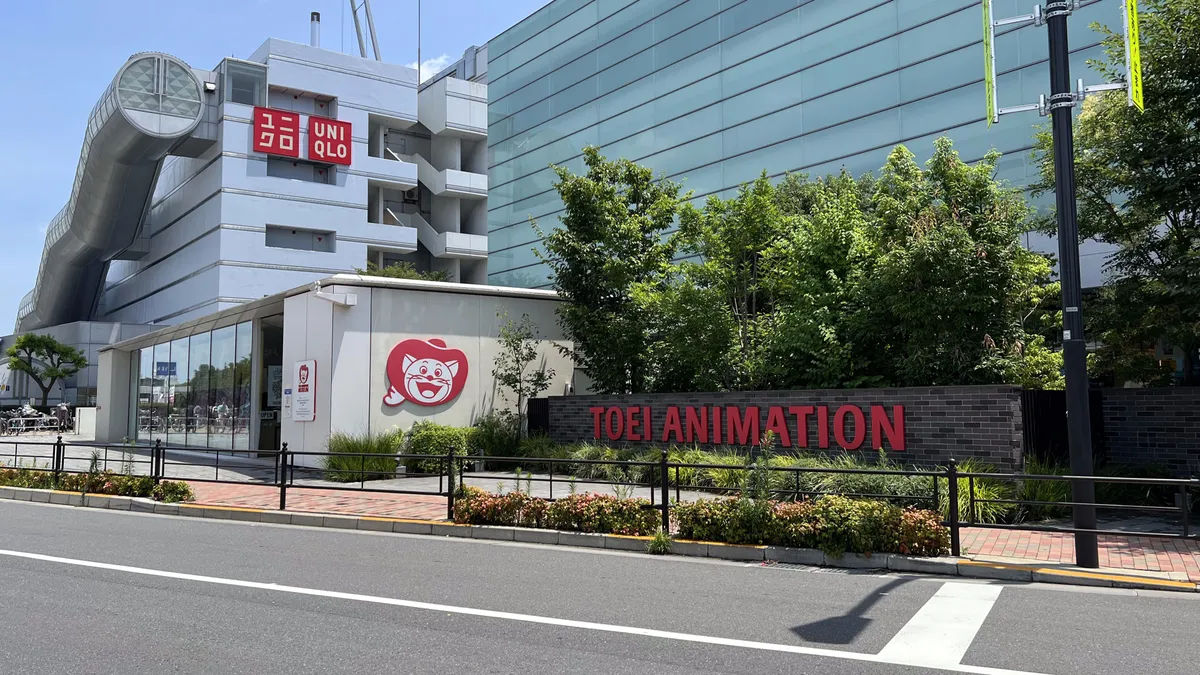
Sources: Anime News Network (investment, launch date, licensor list, tiers and pricing, Kun Gao quotes), Variety (original report of the US$6 million investment, Nakama and Kun Gao statements). Cover photo: Toei Animation Museum, Nerima, Tokyo, by Asanagi, CC0, via Wikimedia Commons, cropped.

Anime and manga fan writing honest reviews and industry news — one person, real opinions, no ghostwriting.