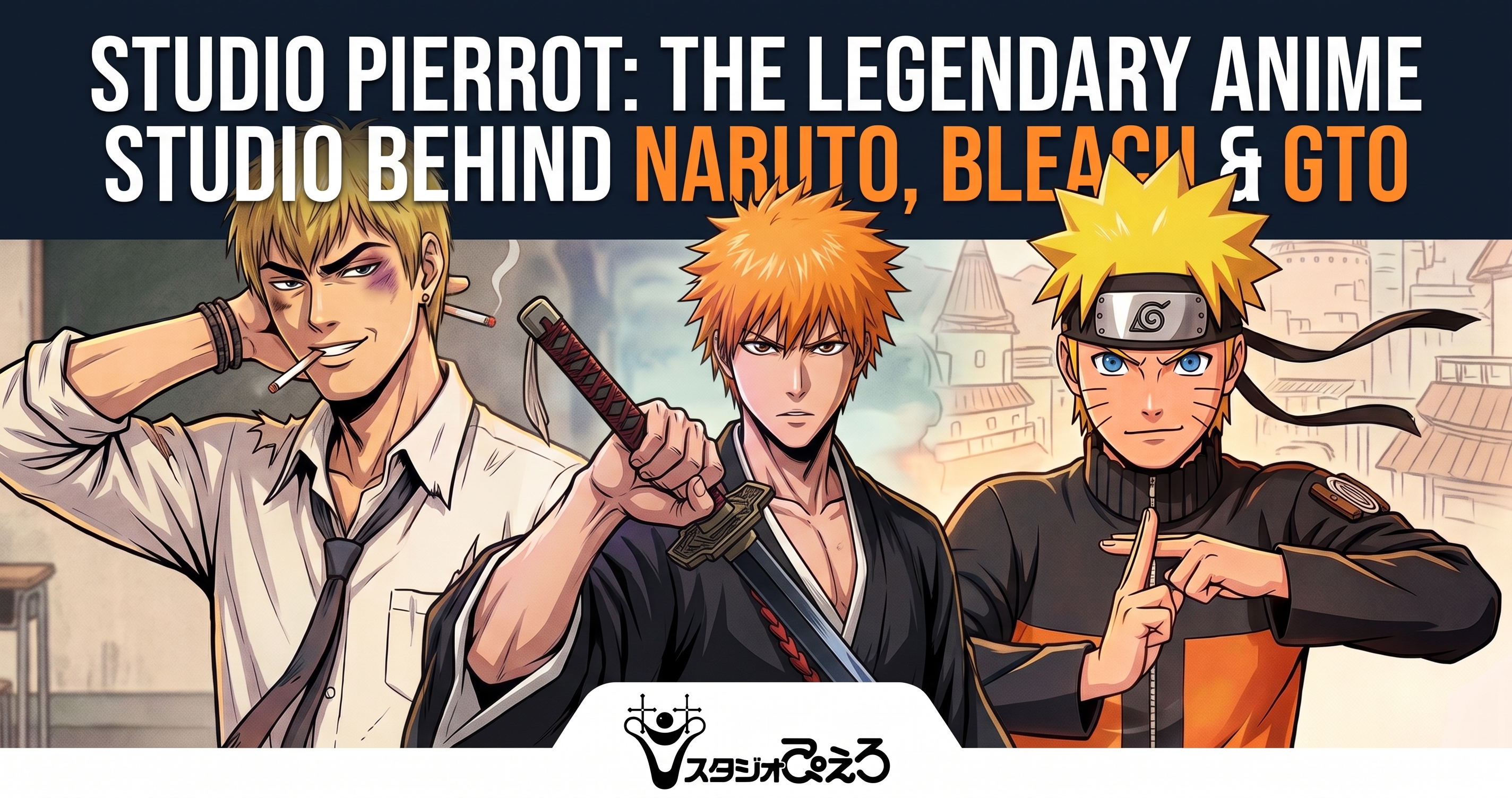
Studio Pierrot: The Legendary Anime Studio Behind Naruto, Bleach & GTO
A fan's retrospective on Studio Pierrot: the shonen classics, the signature fight animation, the filler problem, and where the studio stands in 2026.
| Category | Studios |
|---|---|
| Published | SEP 21, 2026 |
| Read time | 8 MIN |
If you grew up on shonen anime, there's a good chance Studio Pierrot raised you and you never once looked at the logo. Naruto, Bleach, Black Clover, Tokyo Ghoul and GTO were the shows I grew up on, and it took me years to notice the same anime studio was behind every one of them. This is my attempt to do that studio justice: less a Wikipedia entry, more one fan talking to another about what Pierrot gave us, where it stumbled, and why it still matters.
Studio Pierrot's Nearly Fifty Years of Hits

Studio Pierrot was founded in May 1979 by a group of animators who had come up at Tatsunoko Production and Mushi Production, two of the studios that built Japanese TV animation in the first place. That pedigree matters, because Pierrot didn't start out as the home of ninjas and soul reapers. Its early years were closer to romance and magical-girl territory: Creamy Mami, the Magic Angel, the first stretch of Urusei Yatsura before another studio took it over, and Kimagure Orange Road.
The shonen identity arrived in the 1990s with Yu Yu Hakusho, Flame of Recca and GTO, then exploded in the 2000s when Naruto and Bleach both landed on the same studio's desk. Two of the so-called "Big Three" of that era, animated under one roof. That's an absurd run, and it's the reason the name carries so much weight with people my age.
If you had to describe Pierrot in one line, it's the adaptation studio. Its catalog is overwhelmingly manga, overwhelmingly Weekly Shonen Jump and its neighbors, and overwhelmingly long. It has spent decades getting very good at the hardest job in TV anime: turning a weekly manga into a weekly show that people will follow for years. It also has a sister studio, Studio Signpost, which took over animation on Kingdom after Pierrot handled the first two seasons.
The Works That Made Pierrot Legendary
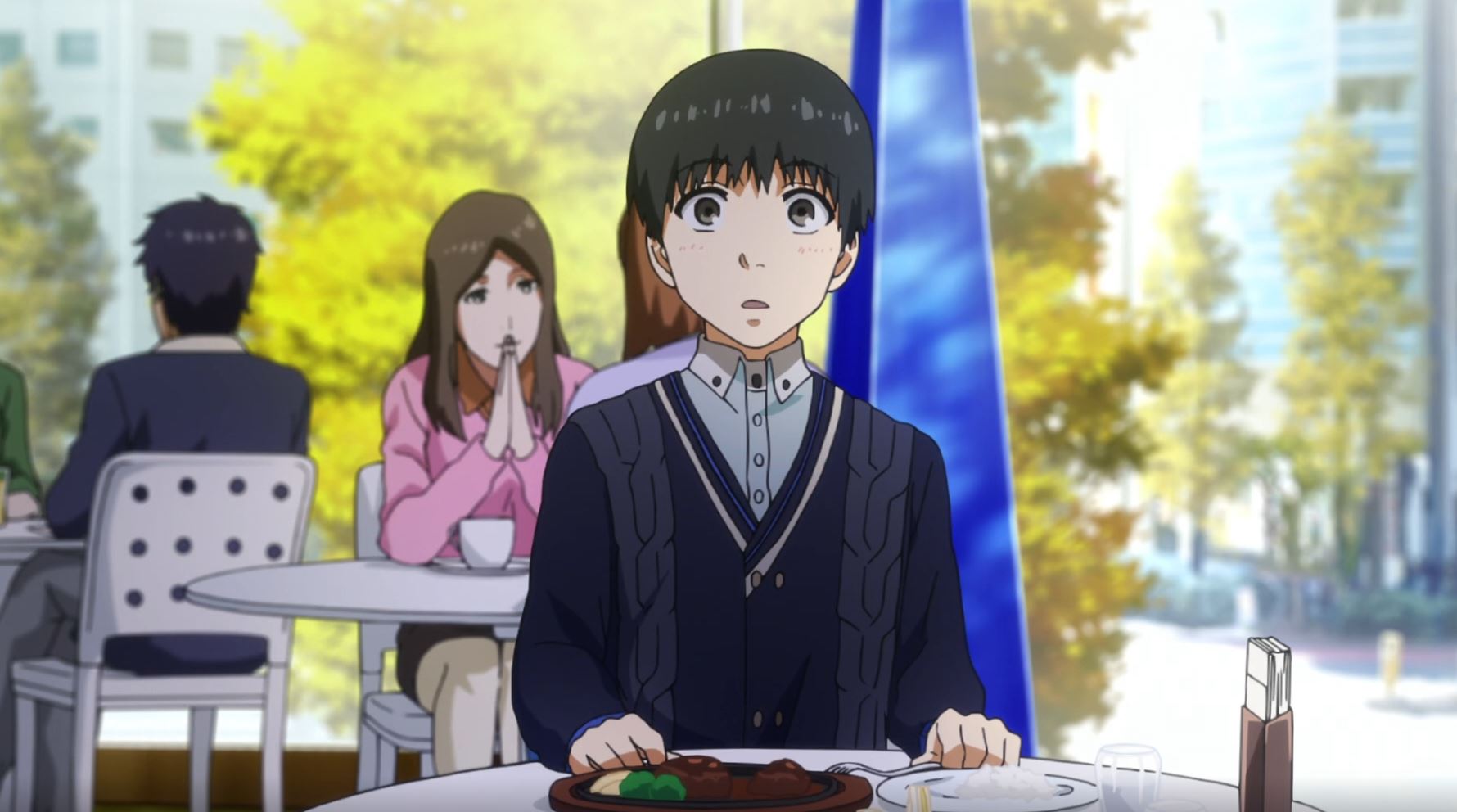
Naruto and Naruto: Shippuden
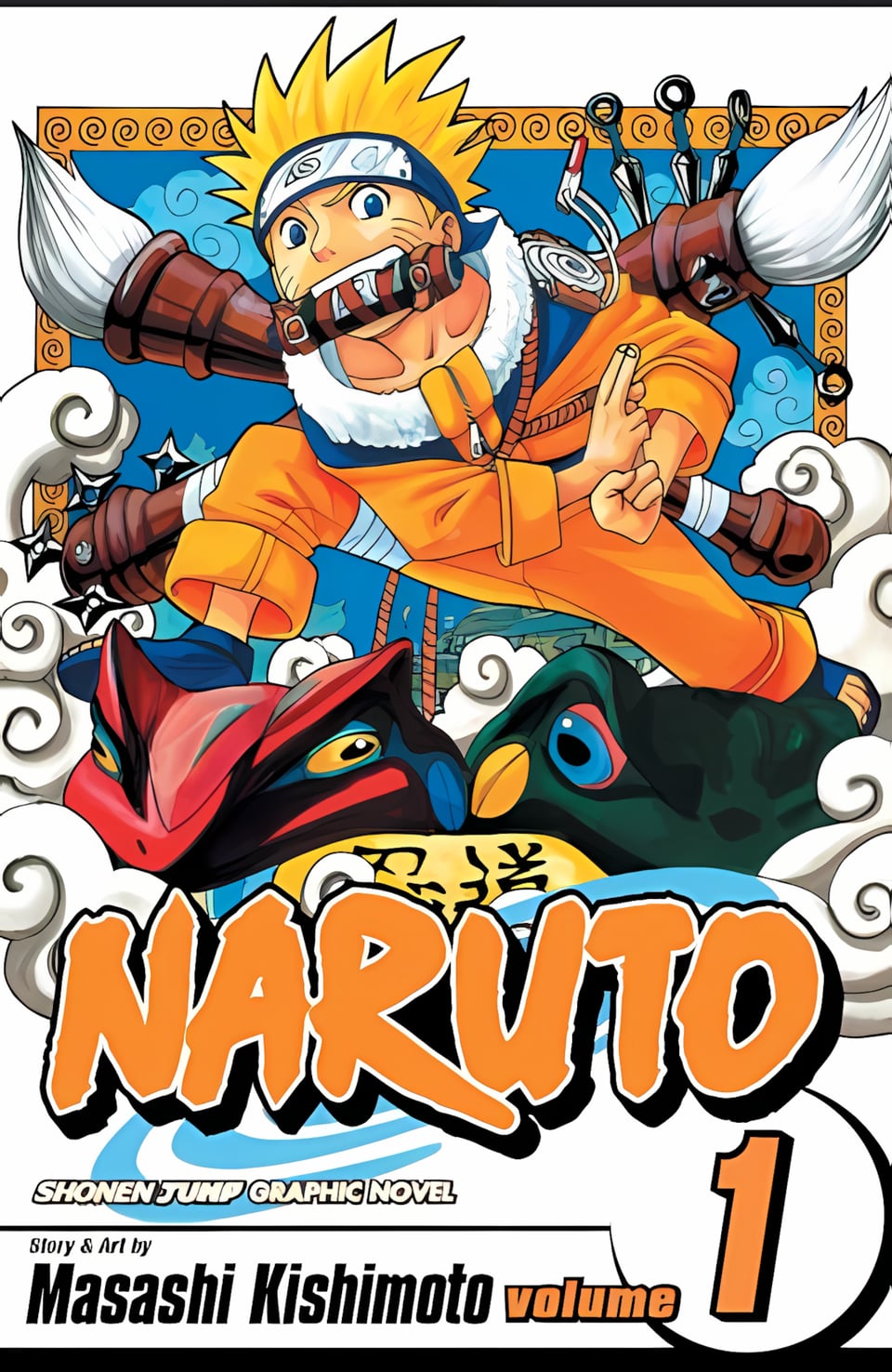
The flagship. Masashi Kishimoto's story ran from 2002 to 2007 as Naruto, then from 2007 to 2017 as Shippuden, more than seven hundred episodes between them. Studio Pierrot's Naruto is the reason a whole generation knows what a hand seal is.
The Chunin Exams, Rock Lee against Gaara, the Pain arc, the final clash in the Valley of the End: these are shared memories at this point. They live in Pierrot's animation as much as in Kishimoto's pages. It's also the show that taught everyone the word "filler," but we'll get to that.
Bleach and Thousand-Year Blood War
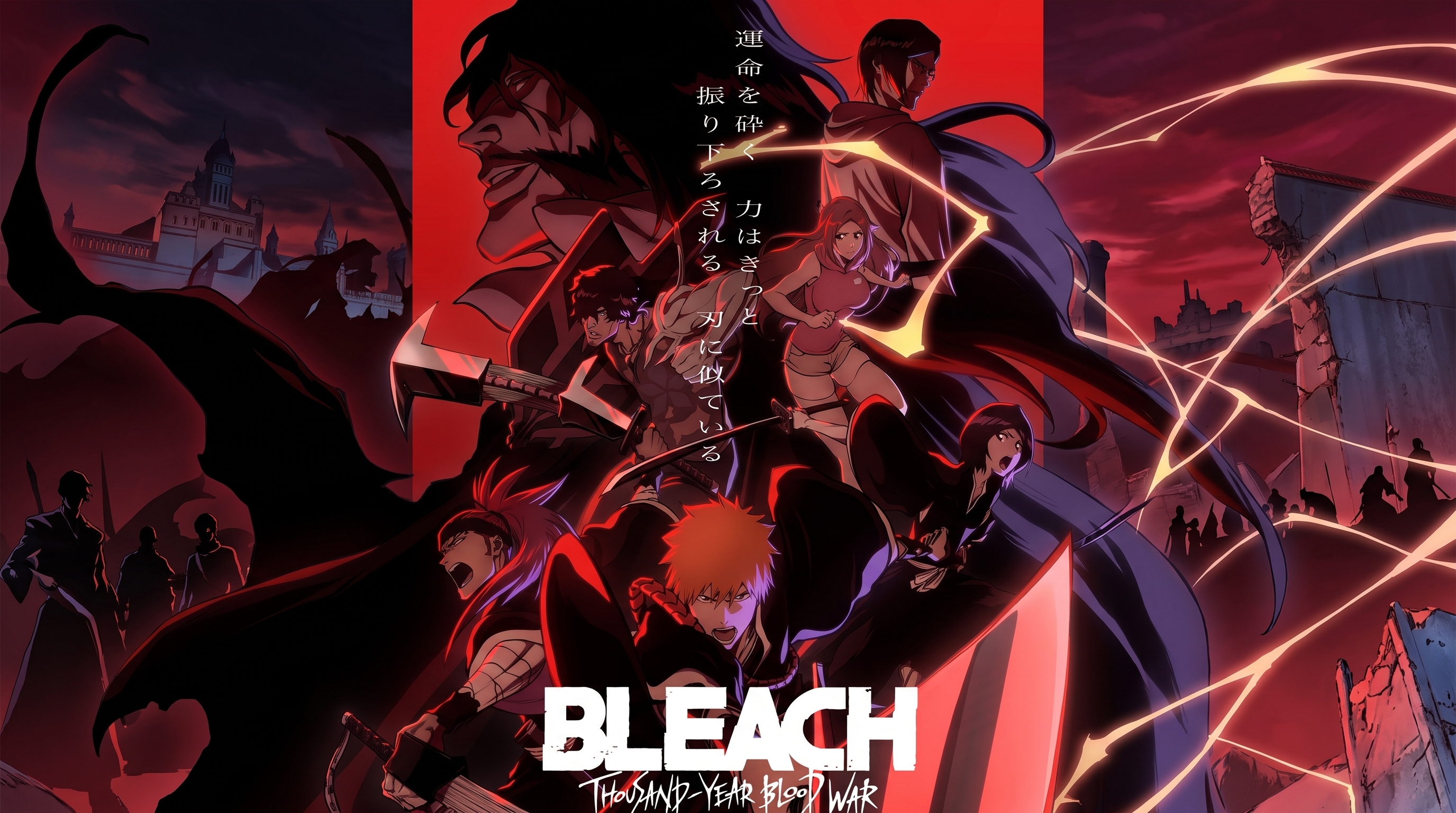
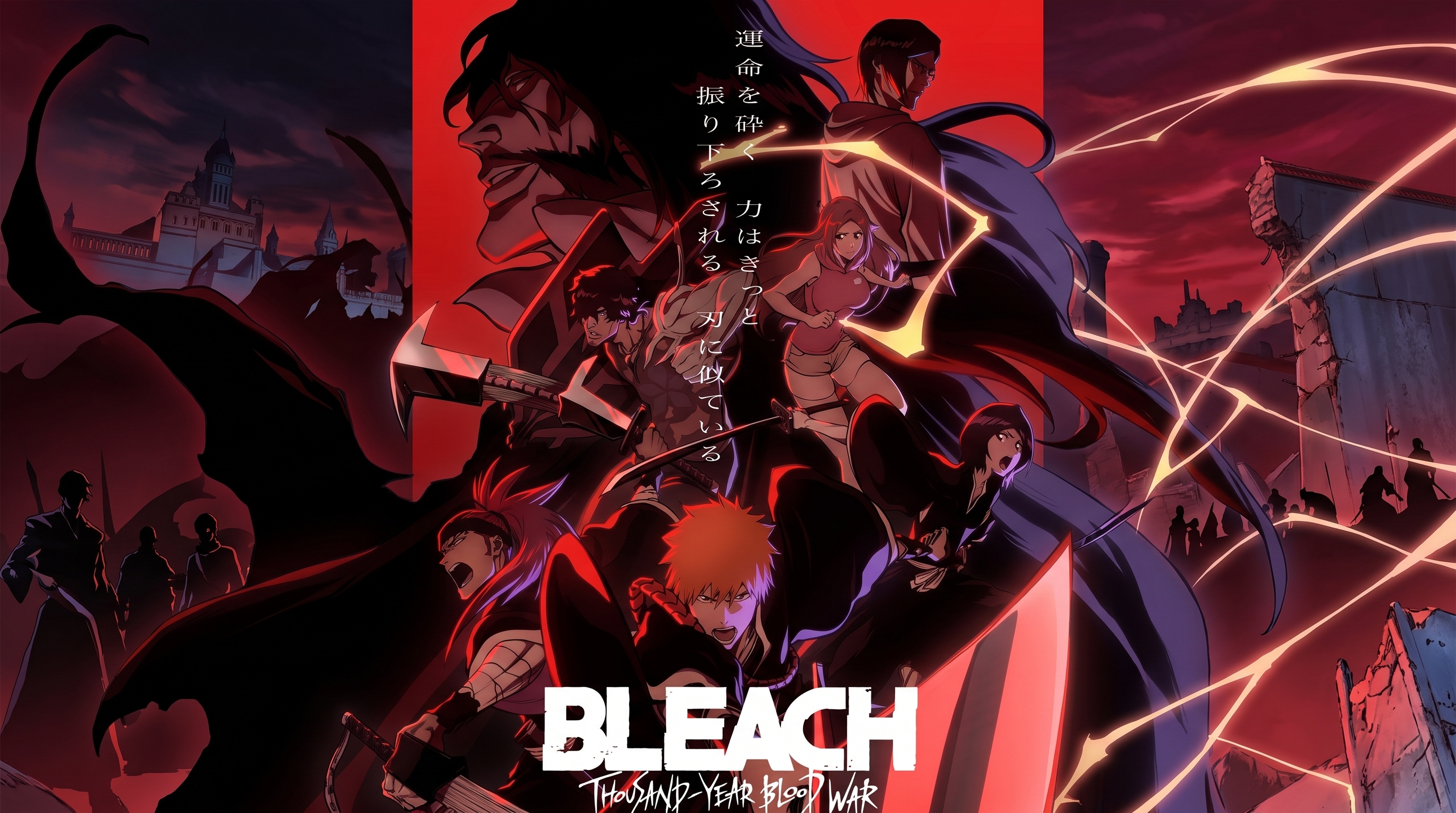
The original Bleach ran from 2004 to 2012 and had a swagger nothing else on TV matched: the sword designs, the music, Ichigo's mask, the sheer confidence of the whole thing. Then the anime ended with Tite Kubo's final arc still unadapted, and fans waited a decade. When Studio Pierrot came back with Thousand-Year Blood War in 2022, it was a different studio in the best way, with sharper line work, heavier contrast and fights staged like set pieces. Bleach TYBW Part 3 is where that ambition peaks for me, and it's the strongest argument that Pierrot can still deliver on a big canvas.
Tokyo Ghoul
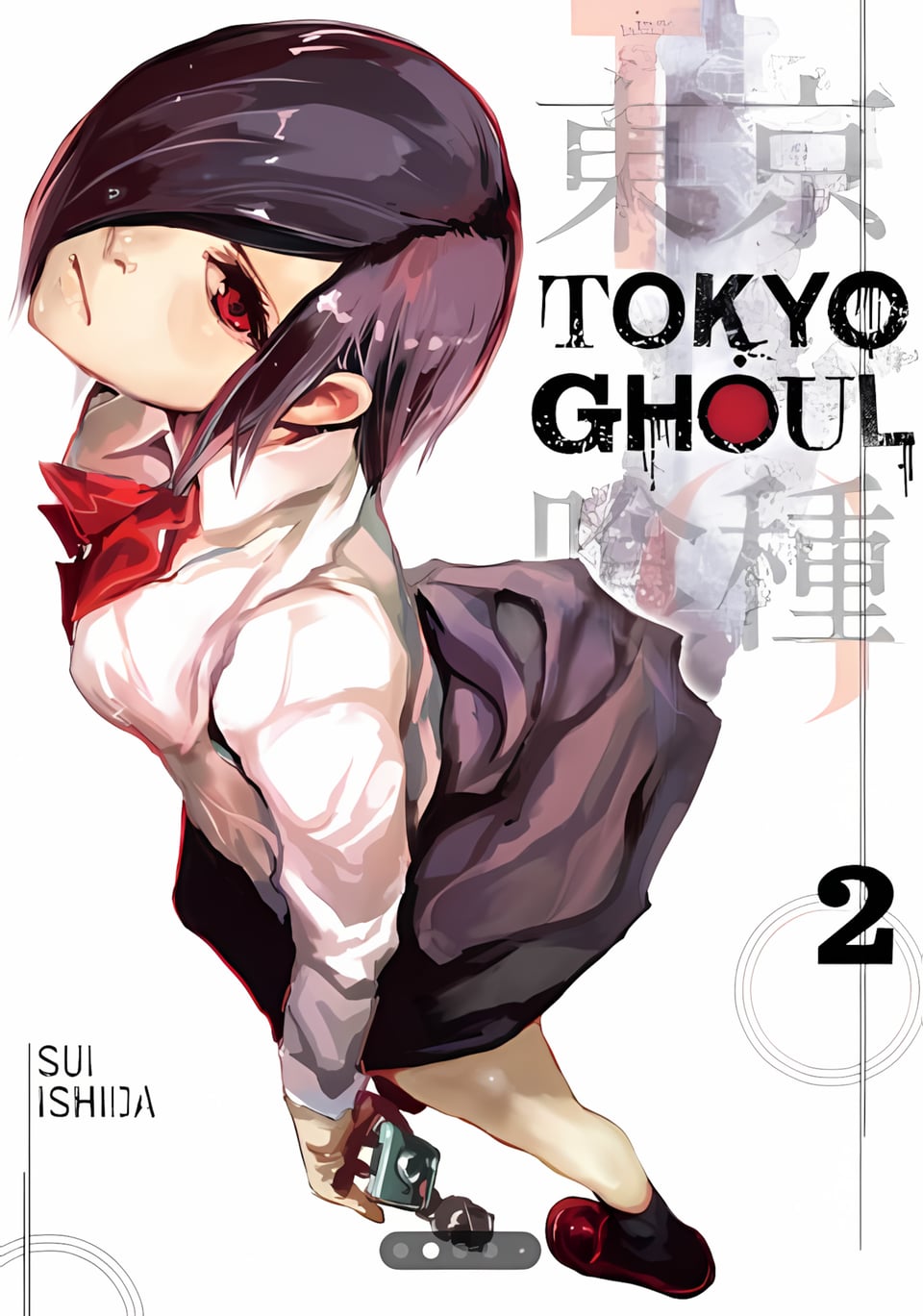
Divisive, and iconic anyway. Sui Ishida's dark fantasy hit in 2014 with a mood I still remember: the mask, the coffee shop, and an opening theme that became an anthem for the whole fandom.
Then the sequels took a different route from the manga, and later adaptations felt compressed, and the fandom has been arguing about it ever since. I don't think that argument makes the first season any less important. For a lot of viewers, Tokyo Ghoul was the doorway from shonen into something darker.
Black Clover
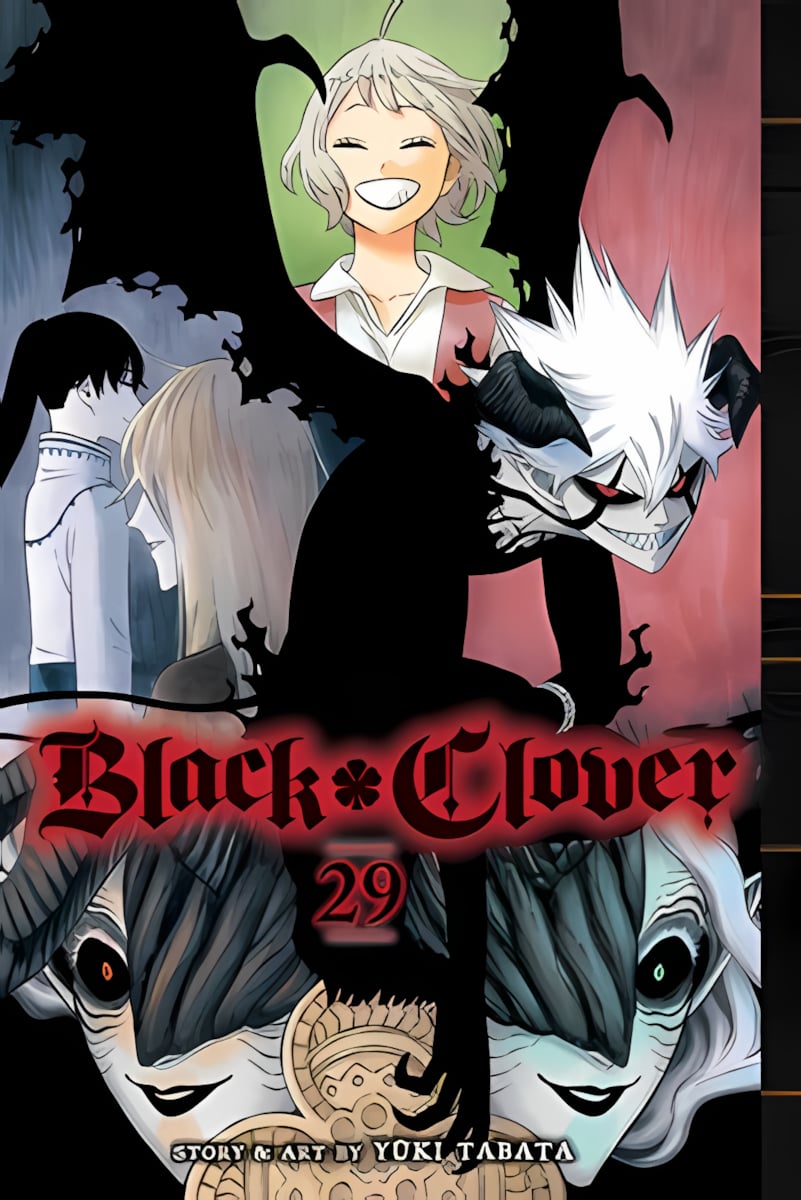
The modern-era carrier. From 2017 to 2021, across 170 episodes, Black Clover was the kind of weekly long-runner that barely exists anymore. Asta, the boy with no magic in a world made of it, is pure shonen underdog energy, and the show wore its heart on its sleeve for every one of those episodes.
The animation could be uneven week to week, and I'll say so, but the show never lost its spirit. A 2023 film gave Asta's story the bigger canvas it deserved.
GTO
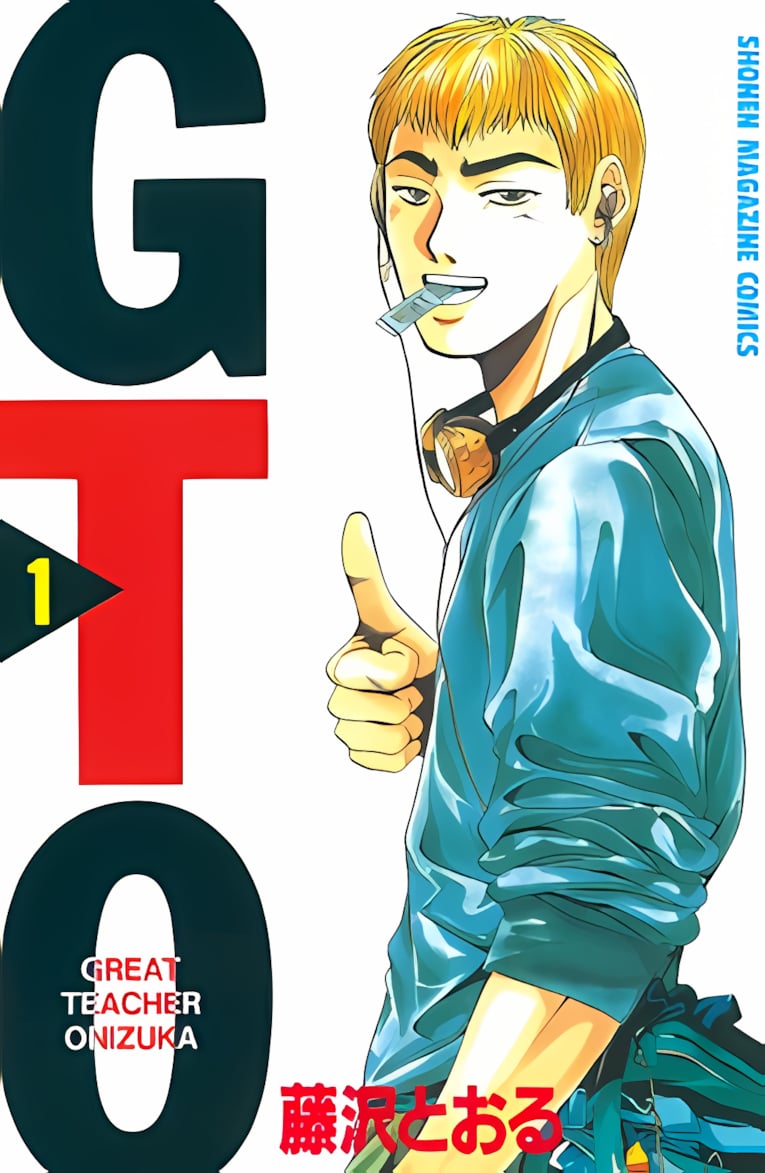
This is the one I'd hand to anyone who asks what makes anime special. Great Teacher Onizuka aired from 1999 to 2000, adapted from Tohru Fujisawa's manga, and I still think it's one of the most iconic anime ever made. Eikichi Onizuka is a former biker-gang delinquent who decides to become a teacher, and the class he's handed is one the school has already written off.
On paper it's a loud comedy. In practice it's a show about being on a kid's side when nobody else is, and it can swing from a gag to something that stops you cold inside a single episode.
The opening, Driver's High, is still one of the great anime openings of its era, and Onizuka is still one of the great school-anime protagonists. No other Pierrot title has stayed with me the way this one has. If you only ever watched the ninja shows, go back and find this one.
Yu Yu Hakusho
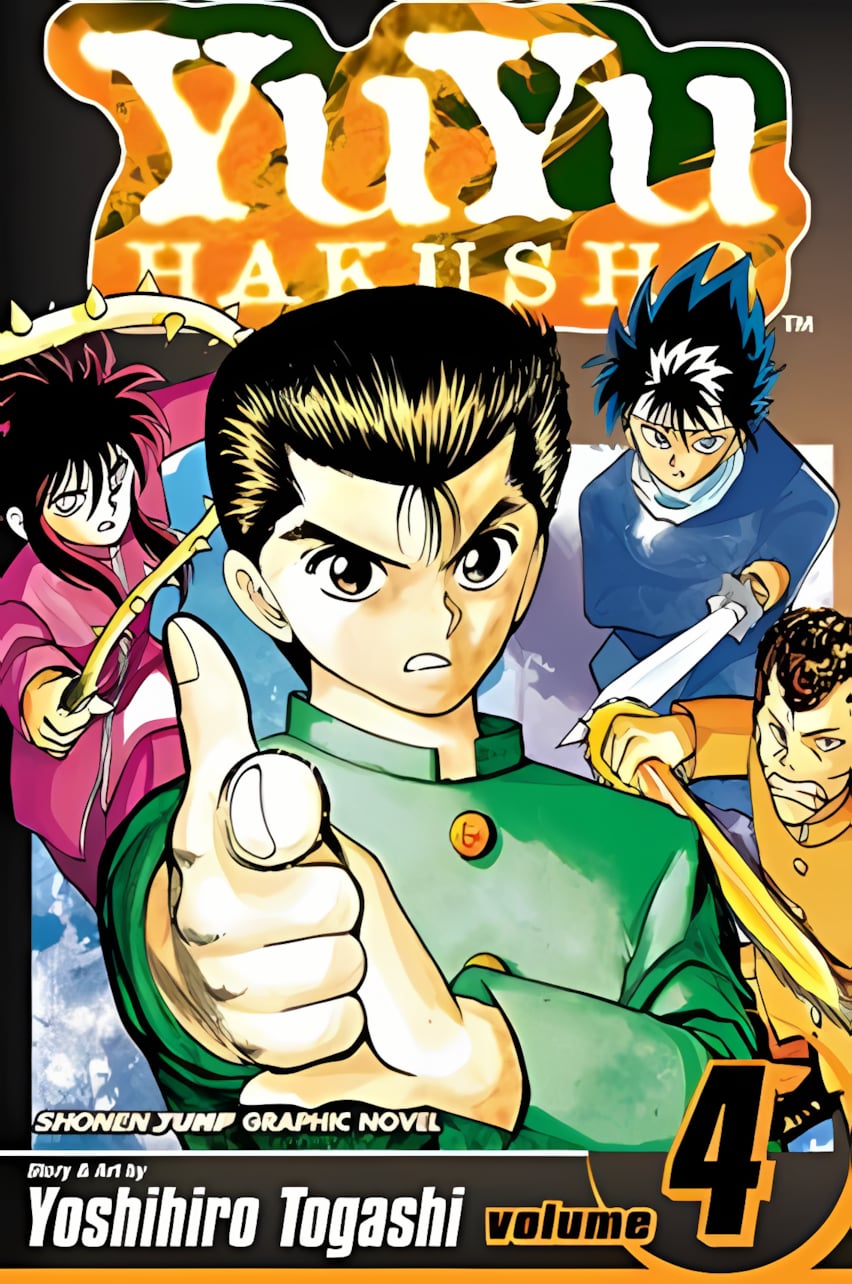
The OG. From 1992 to 1995, Yoshihiro Togashi's spirit-detective story helped set the template for the tournament-arc battle shonen that everyone after it built on. Yusuke Urameshi's Dark Tournament is the blueprint, and you can trace a straight line from it to almost everything else on this list. It's also the reminder that Pierrot was already doing this a decade before Naruto made it a global habit.
Kingdom
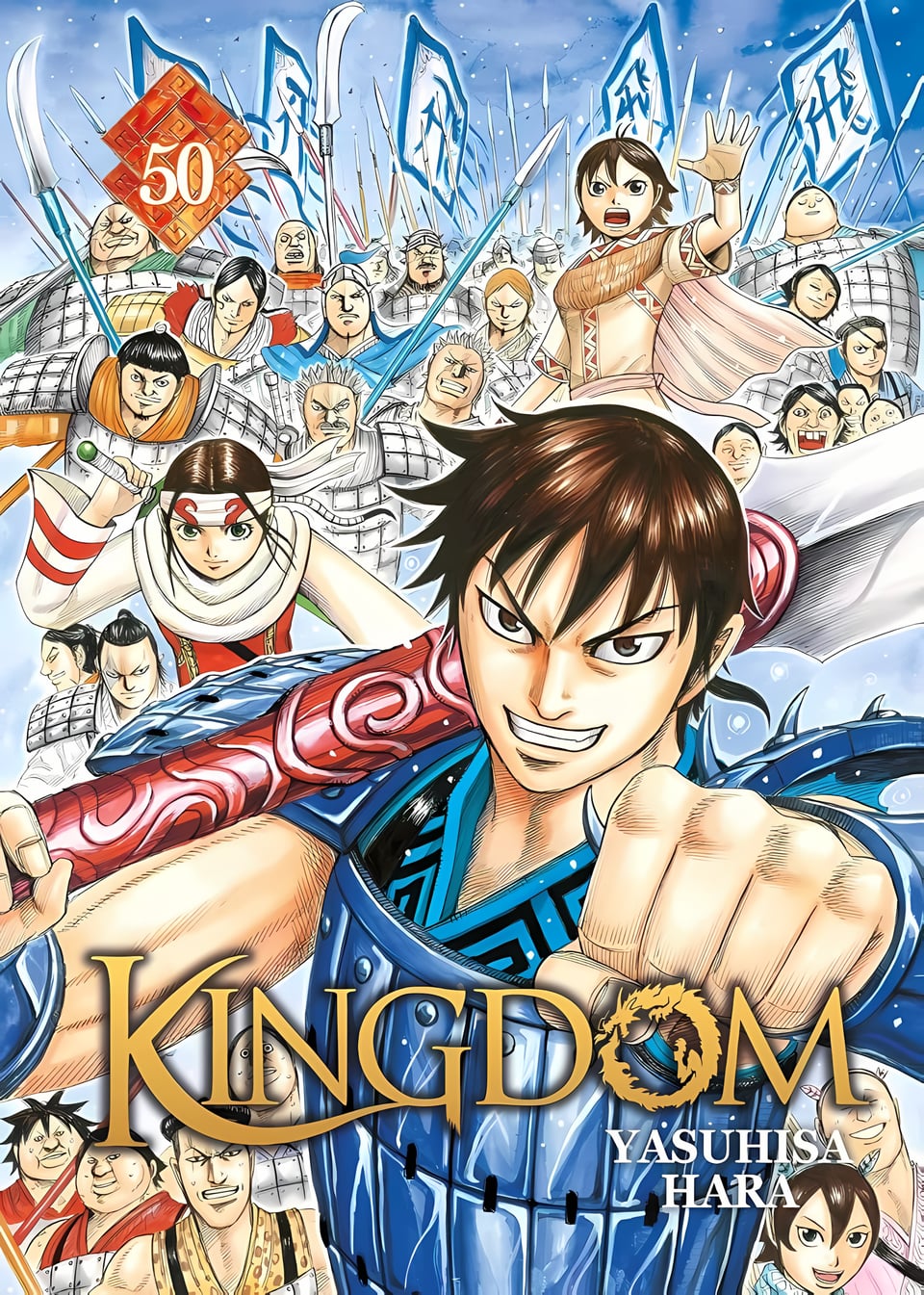
Yasuhisa Hara's historical epic follows Shin, an orphan who dreams of becoming a Great General in the Warring States period of China. Pierrot animated the first two seasons in 2012 and 2013, and the series has kept going through its sister studio Signpost. It's the least flashy entry here and one of the most consistently satisfying, a war story with real weight to it.
The deeper cuts
If you want to dig further, Flame of Recca, The Twelve Kingdoms, Beelzebub and Yona of the Dawn are all Pierrot productions, and each shows a different side of the studio. Its follow-up to the ninja franchise, Boruto: Naruto Next Generations, ran from 2017 to 2023. The full Studio Pierrot credits list on Anime News Network shows just how deep the catalog goes.
The Pierrot Style: What Makes Their Anime Recognizable
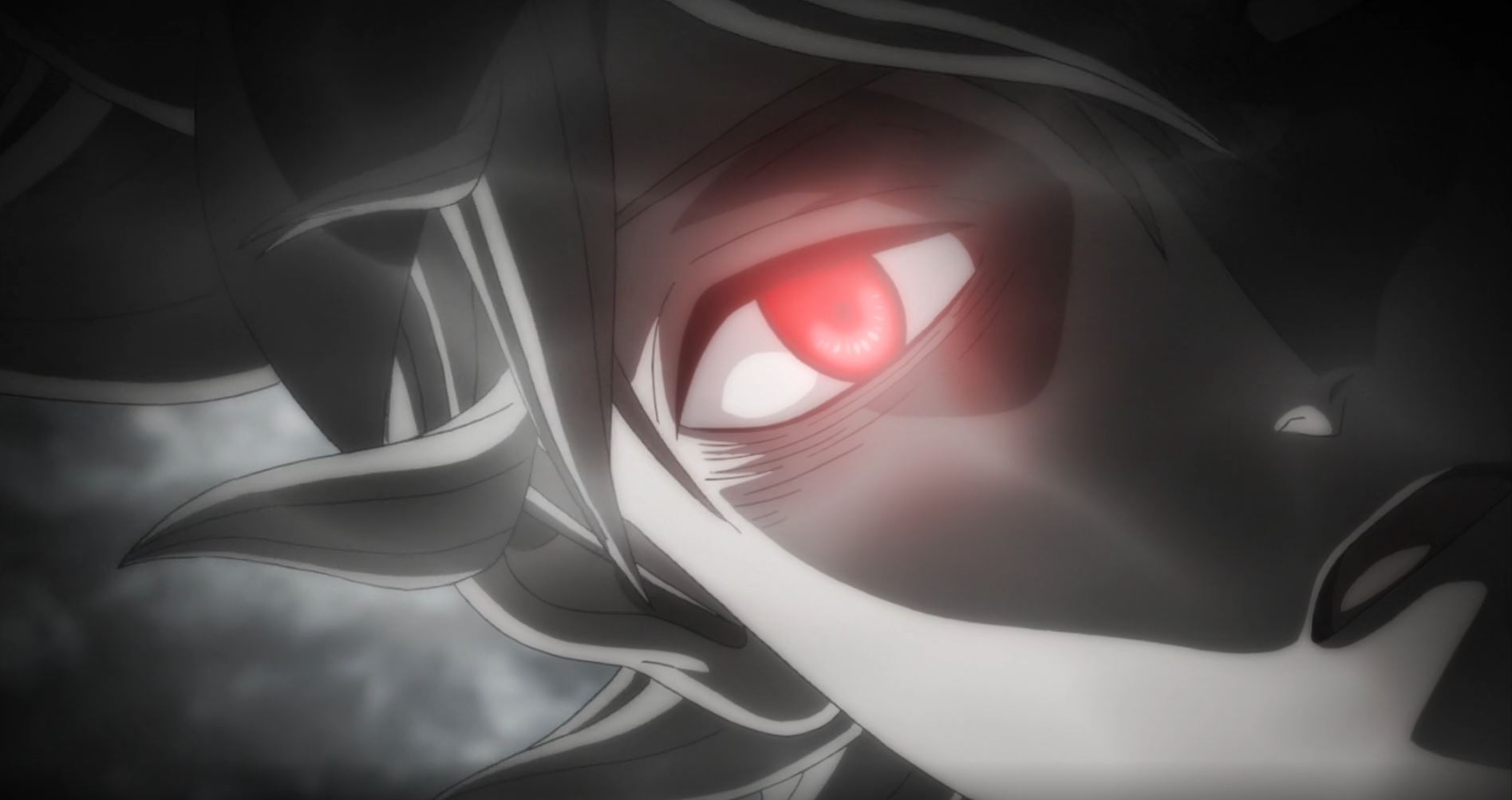
Pierrot's identity lives in its fights. Because the studio spent decades making weekly TV, it learned to spend its energy in bursts. Quieter, economical episodes build up to big combat episodes, where the drawing gets faster, the effects get bolder and the camera stops holding back.
When a Pierrot fight clicks, with the impact frames, the speed and the way the music locks into the choreography, few studios do it better. It also tends to stay loyal to the source. These are adaptations that want to feel like the manga you loved, with the emotional beats where you expect them.
Now the honest part. Studio Pierrot's reputation for filler and pacing problems isn't unfair. Naruto, Shippuden and the original Bleach all leaned on stretches of anime-original material when the anime caught up with the manga. Anyone who sat through those knows the feeling: flashbacks stretched thin, standoffs that lasted forever, a fight dragged across a month of episodes.
Weekly production was punishing, and it showed in inconsistent quality from one episode to the next. Tokyo Ghoul is the other cautionary tale, a story that arguably needed a different adaptation approach than it got.
But the context matters. Most of those problems come from the weekly long-runner model itself, not from a lack of talent. When Studio Pierrot has the time, as Thousand-Year Blood War shows, it produces some of the best-looking shonen on TV.
What it consistently got right is the part that outlasts any animation critique. It made characters people cared about for hundreds of episodes. It scored and staged emotional peaks that people still quote. It treated big shonen finales like events. Even the weakest Pierrot stretch usually has a moment that reminds you why you stayed.
Where Pierrot Stands in 2026
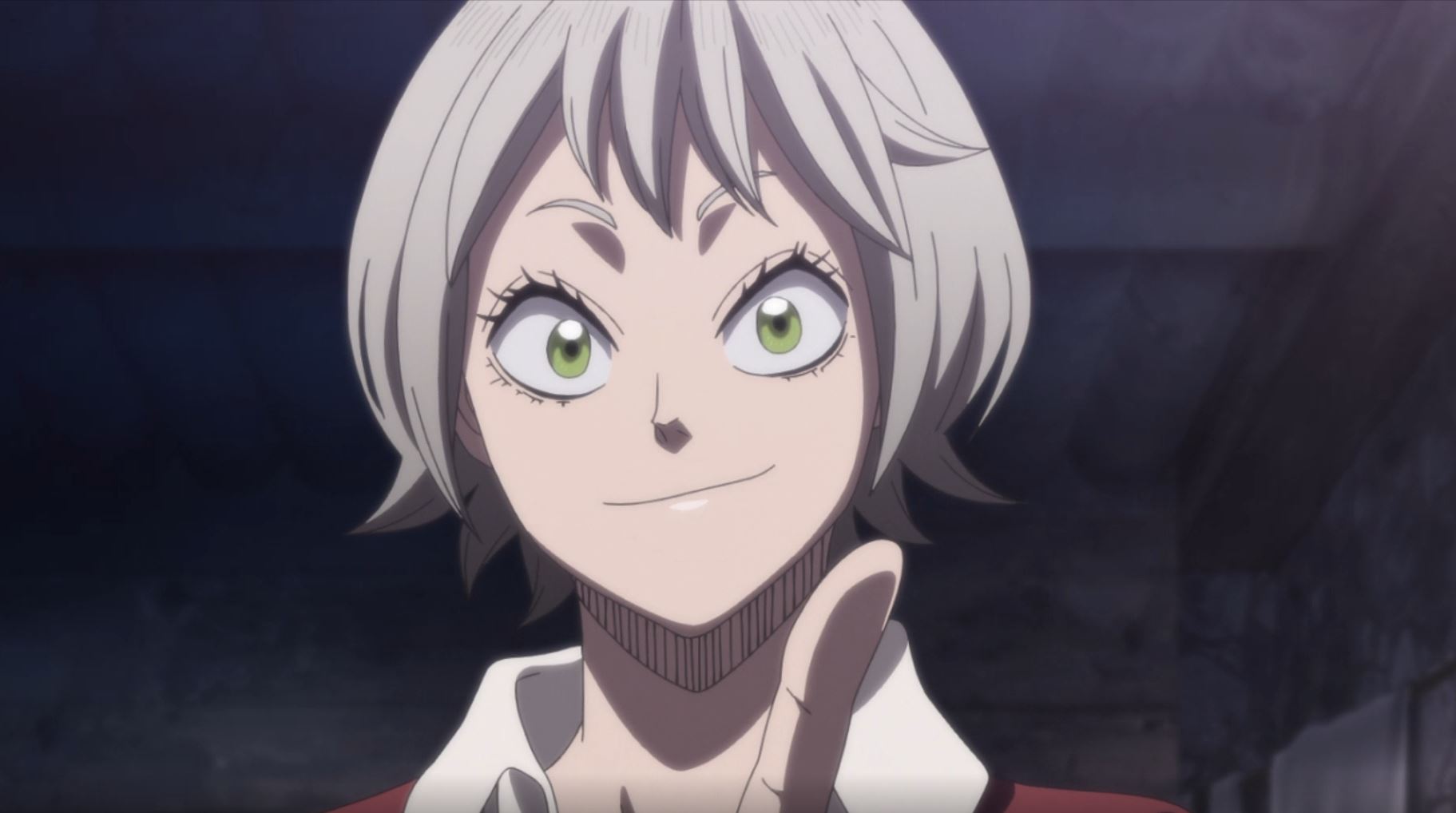
Studio Pierrot in 2026 has a lot in motion. Bleach: Thousand-Year Blood War is in its fourth and final part: Part 4, The Calamity, began airing on July 25, 2026. Black Clover returns on Saturday, October 3, 2026 with a new season, with Pierrot back to animate it.
Kingdom is still running through Signpost. And the long-delayed Naruto anniversary episodes remain one of the year's biggest questions, which I dug into in Naruto's grand return.
The competition is a different world from the one Pierrot grew up in. MAPPA, Ufotable and Bones have set a very high bar for spectacle, and modern shonen is expected to look like a film every week. Pierrot isn't always the studio setting that bar.
But it has one of the deepest shonen catalogs in the industry, a fanbase that grew up with it, and, as TYBW proved, the ability to raise its game when the schedule lets it. It's playing a different game from the trend-chasers: durability over hype. For the studio's own announcements, its official site (in Japanese) is the place to look.
The Studio Pierrot Legacy
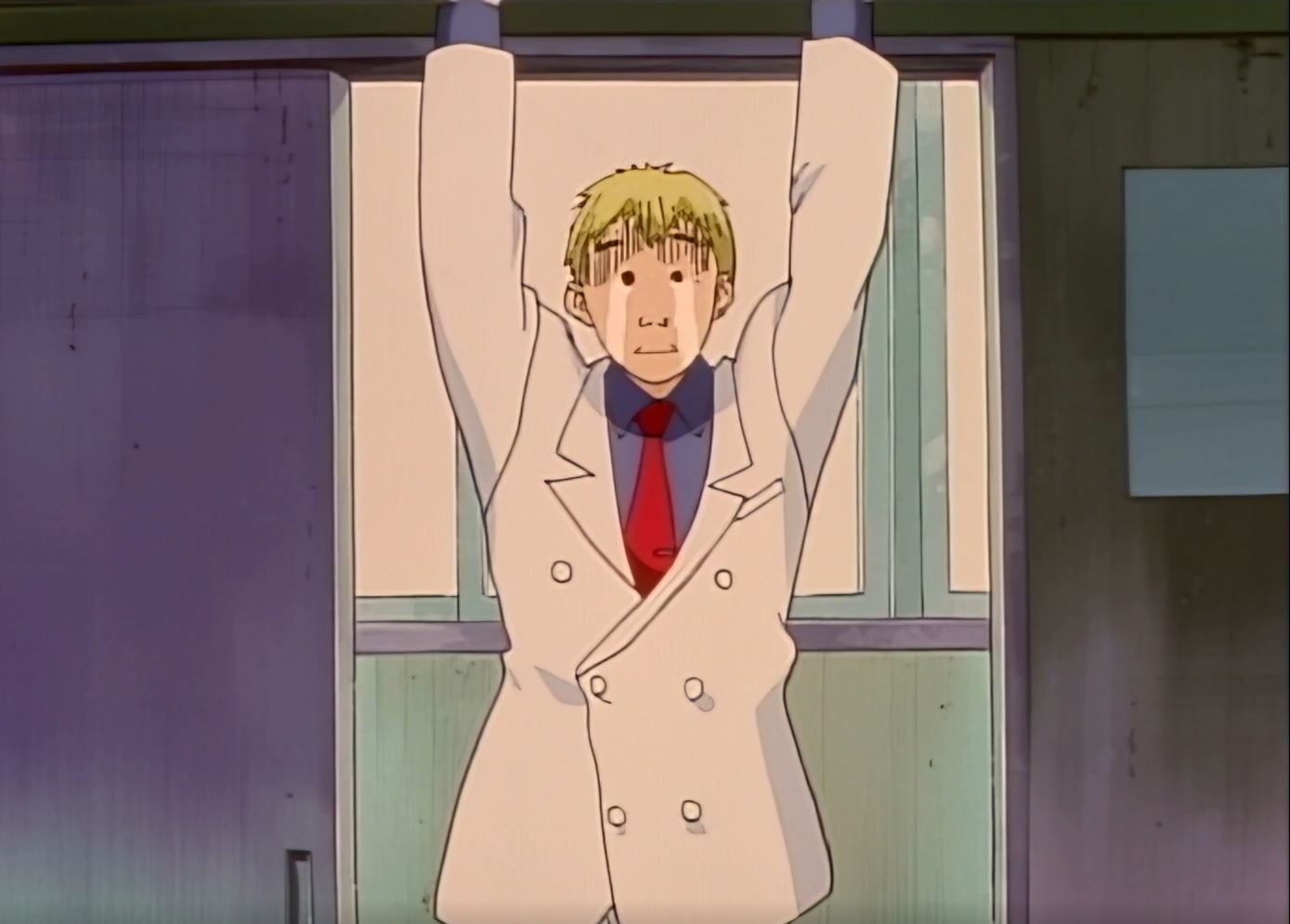
Here's what I keep coming back to. I didn't pick these shows because of a studio name. I picked them because of Naruto's stubbornness, Ichigo's swagger, Asta's shouting, Kaneki's mask and Onizuka's grin. It was only later, looking back, that I realized the same hands had drawn all of it.
That's the real Studio Pierrot legacy: not a house style you could spot from a screenshot, but a shared childhood for millions of people. If you want to see what the studio is capable of today, start with our full review of Bleach: Thousand-Year Blood War Part 3. If you want to see where the biggest franchise in its history might go next, read about the Naruto anniversary specials and remake rumors. And if you've never seen GTO, do yourself a favor.
Anime and manga fan writing honest reviews and industry news — one person, real opinions, no ghostwriting.