Dragon Ball Daima Review: Akira Toriyama’s Final Love Letter to the Joy of Adventure
When Dragon Ball Daima was first unveiled, the immediate reaction across fandom was heavy skepticism. After years of watching Goku and Vegeta shatter divine power ceilings in…
| Category | Anime |
|---|---|
| Published | SEP 11, 2026 |
| Read time | 3 MIN |
When Dragon Ball Daima was first unveiled, the immediate reaction across fandom was heavy skepticism. After years of watching Goku and Vegeta shatter divine power ceilings in Dragon Ball Super, the prospect of turning the cast back into miniature versions looked suspiciously like a retread of past missteps. What actually materialized on screen was something far more tender, intimate, and artistically deliberate. Daima stands as the final creative statement from the late Akira Toriyama, and it honors his legacy by abandoning the exhausting rat race of cosmic power levels to rediscover the playful, whimsical spirit that started the entire phenomenon.
By stripping Goku down in size and thrusting him into the unknown corners of the Demon Realm, the production forces the narrative to slow down and breathe. It reminds us why we fell in love with this universe in the first place, offering a masterclass in organic adventure, tactical hand to hand martial arts, and vibrant world building that feels refreshingly personal.
1. Escaping the Trap of Escalation
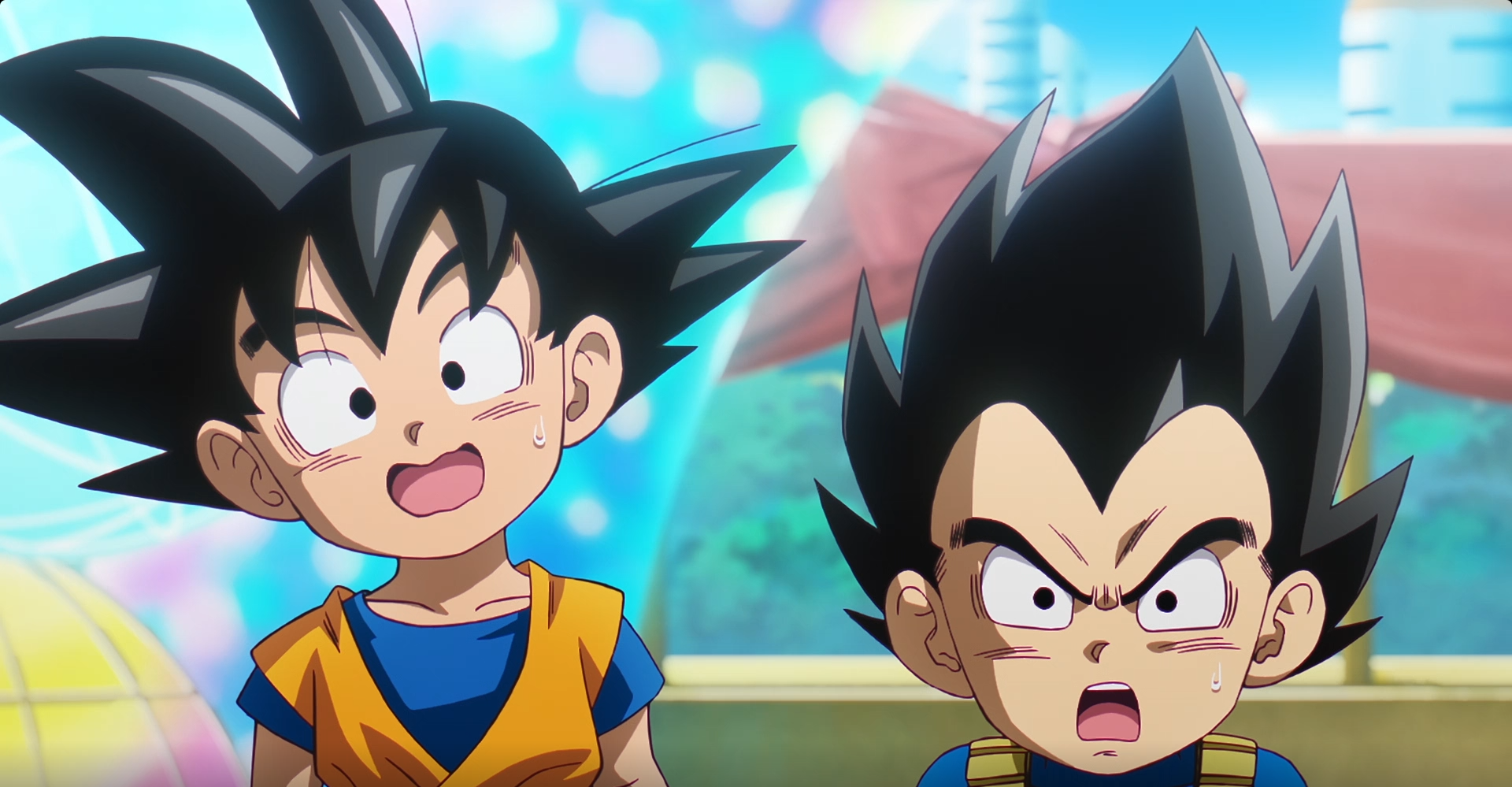
Modern shonen storytelling has backed itself into a corner where stakes only matter if universes are collapsing and aura blasts consume entire galaxies. This escalation turned battles into loud light shows where physical technique was swallowed by visual clutter. Daima solves this problem by hitting an intentional reset button.
Shrinking Goku’s body does something vital for dramatic tension. It robs him of his easy reach, disrupts his spatial balance, and forces him to dust off the iconic Power Pole. When Goku swings his red staff or maneuvers around an opponent’s guard, every blow carries tangible weight, clever footwork, and classic martial arts rhythm rather than cheap digital explosions.
2. The Demon Realm and the Return of Toriyama’s Whimsy
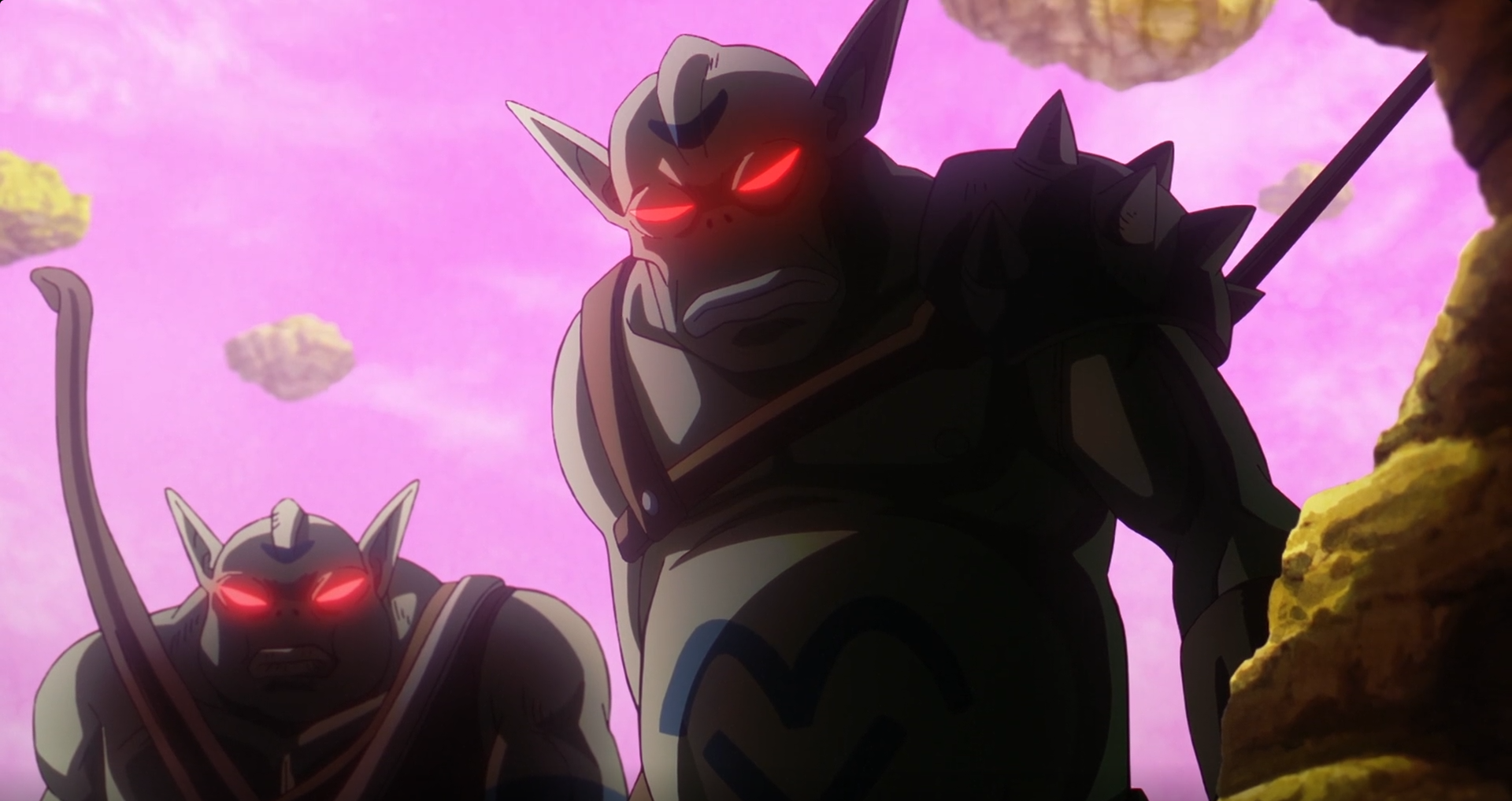
The journey into the Demon Realm showcases Toriyama’s peerless imagination at its absolute peak. Rather than painting the realm as a cliché wasteland of brimstone and gloom, the narrative treats it as an eccentric, lived in society complete with roadside diners, bizarre alien cuisines, regional transport, and eccentric local monsters.
Shin and Glorio Ground the Odyssey
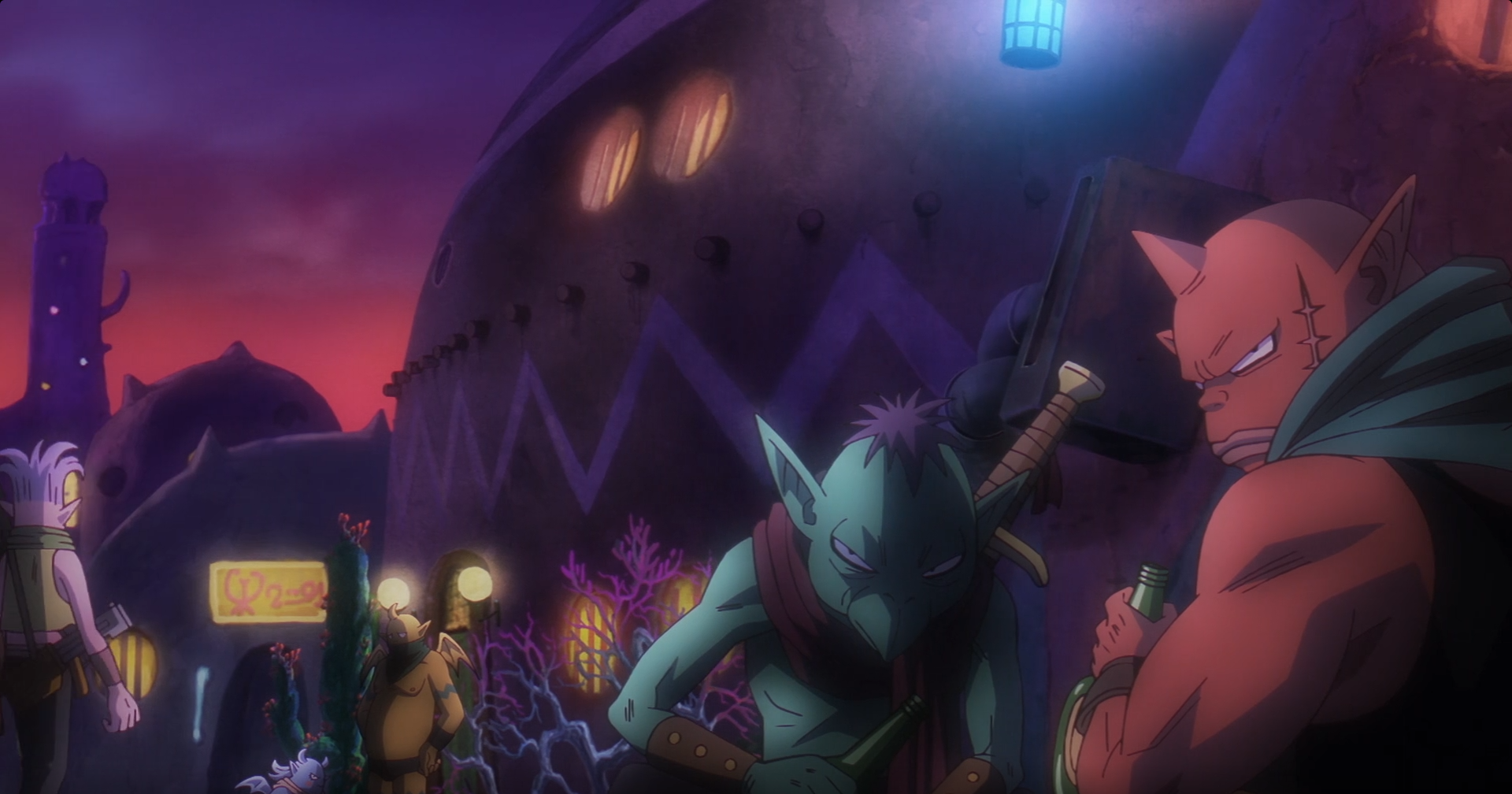
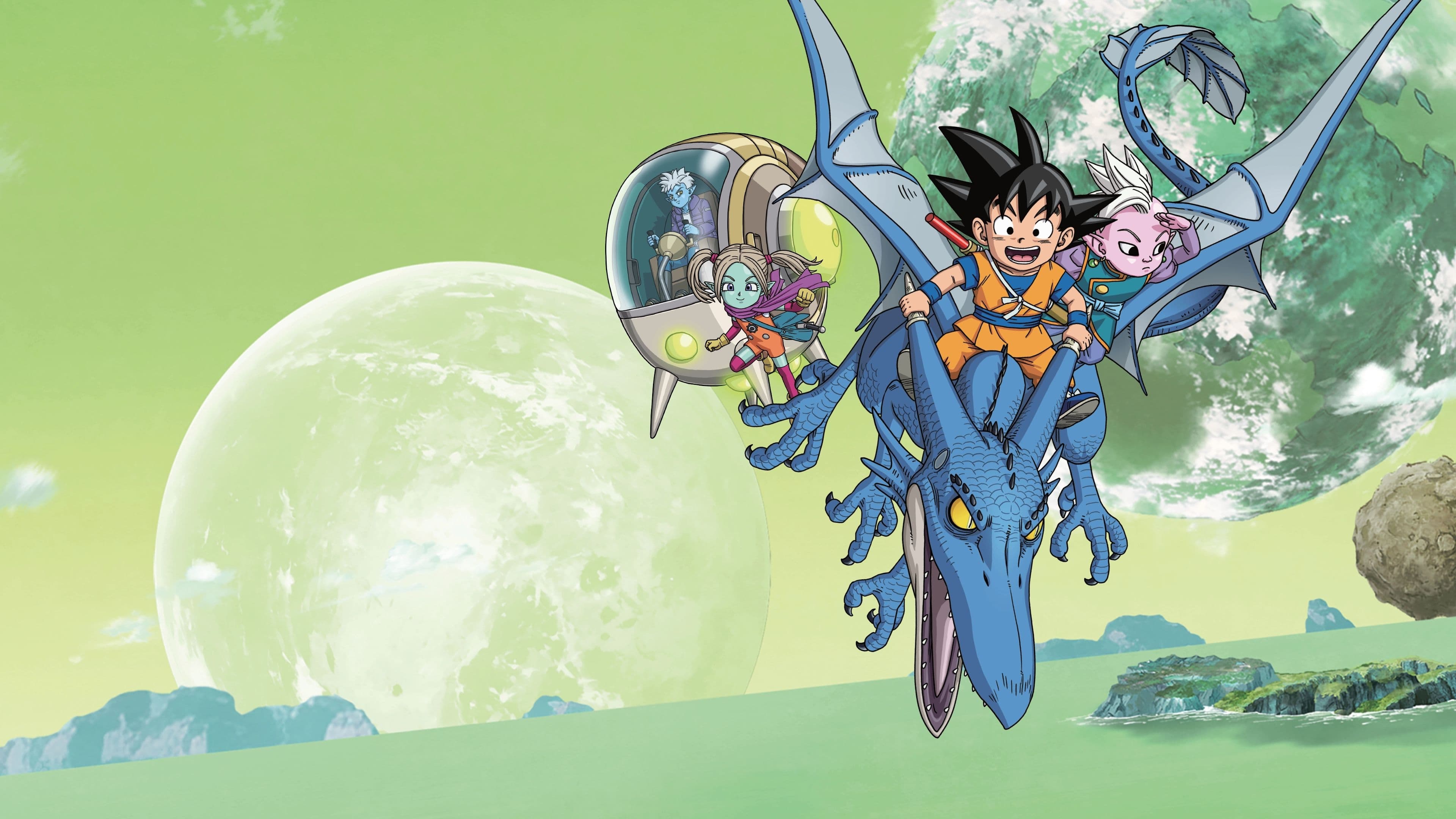
The dynamic between the traveling companions creates a delightful travelogue atmosphere. The addition of newcomers like Glorio alongside Supreme Kai Shin gives Goku the perfect straight men to bounce off. The journey feels less like a grim march toward apocalypse and more like a classic folklore road trip across mysterious frontier towns.
Expressive World Building Over Lore Dumps
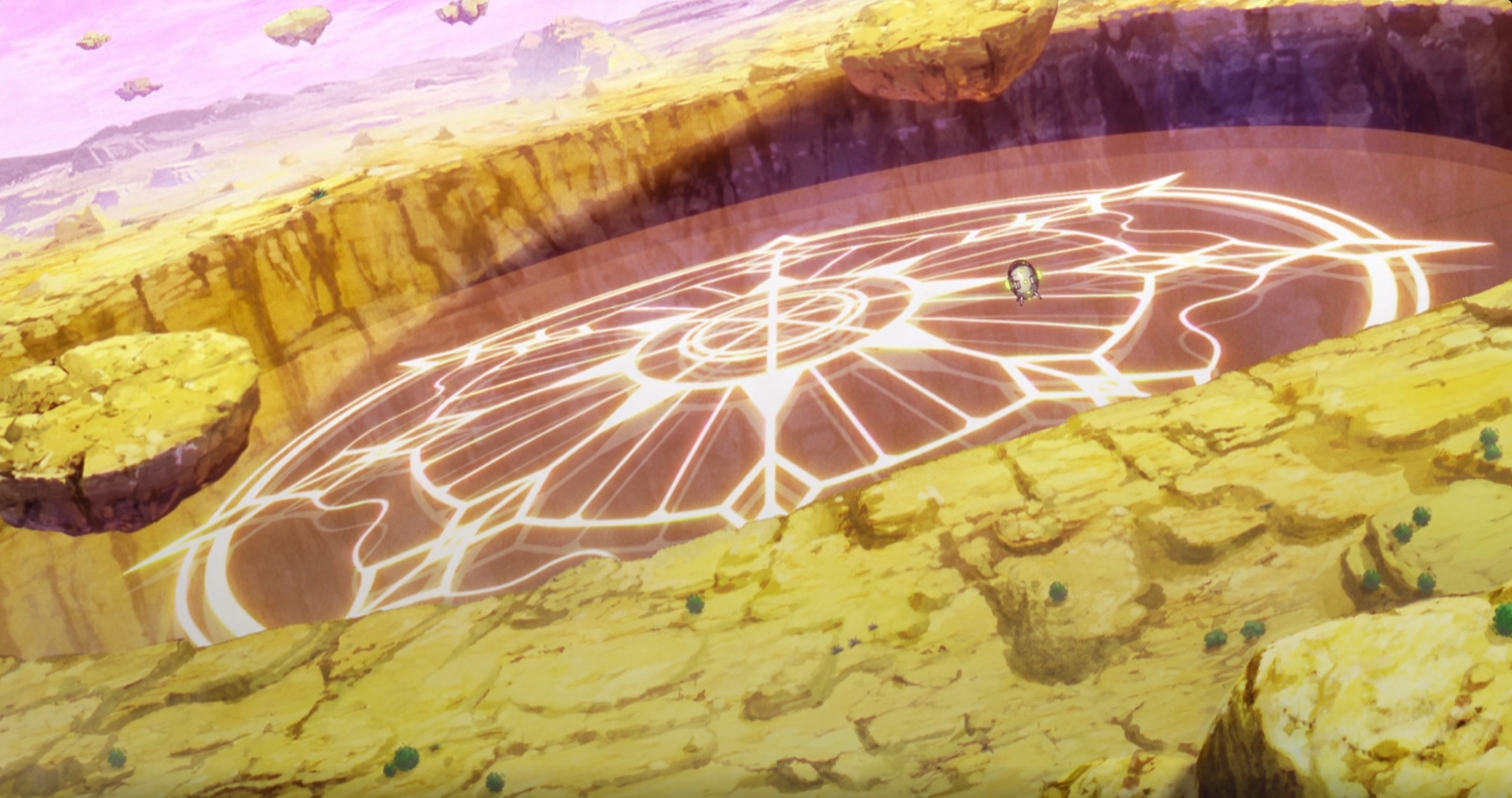
The Demon Realm reveals fascinating lore about the origins of the Namekians and the nature of evil magic, yet it never grinds the pacing to a halt with tedious exposition. Information is revealed naturally through food, local superstitions, and mechanical gadgets that could only have sprung from Toriyama’s sketchbook.
3. Top Tier Animation and Tactile Choreography
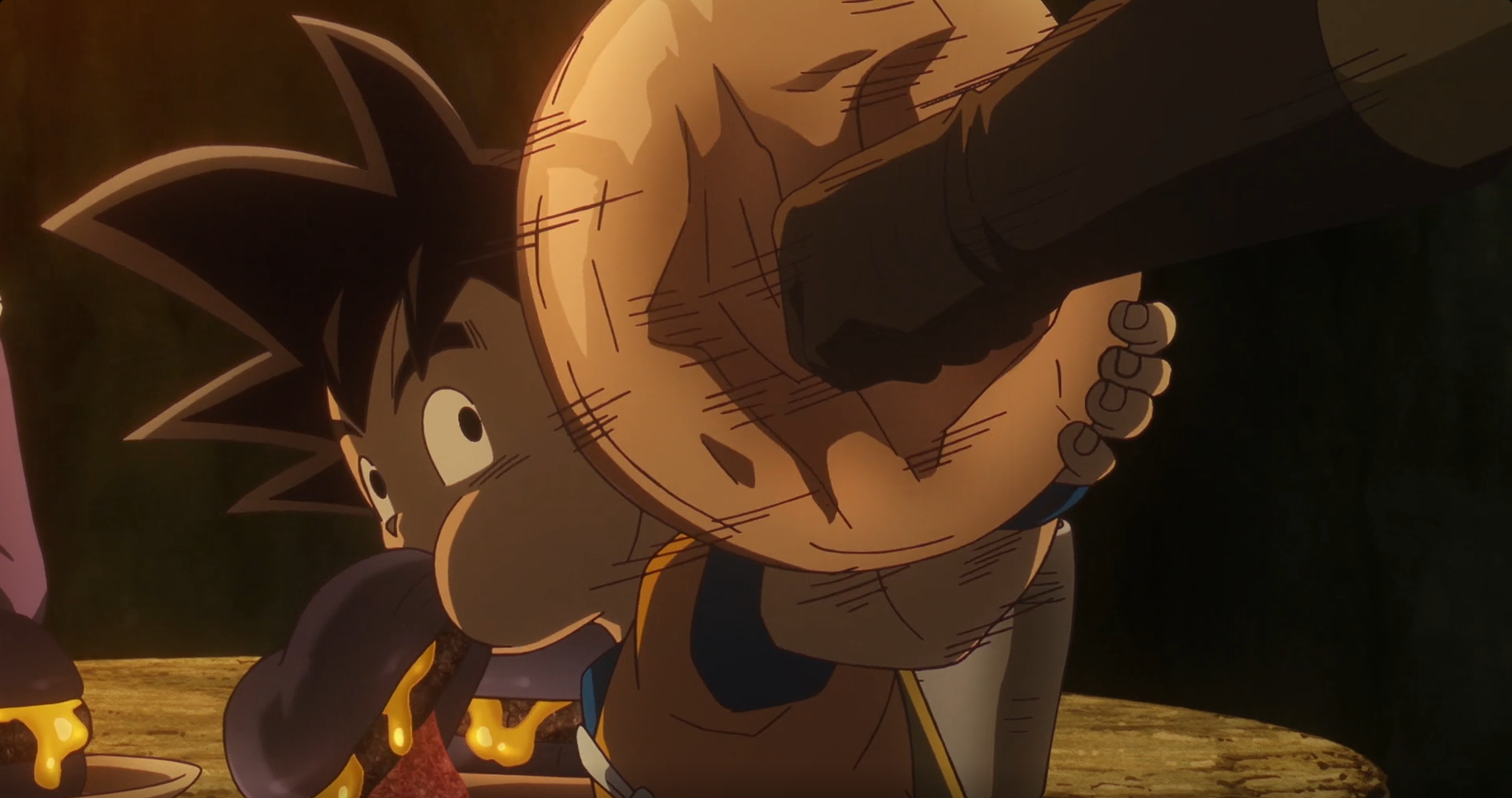
Toei Animation brought their absolute finest talent to the table, and the difference in craft is staggering. Every frame feels painstakingly hand crafted, boasting lush environmental palettes, expressive facial acting, and astonishingly fluid martial arts sequences that evoke the golden era of nineties theatrical feature films.
The camera work refuses to rely on frantic shaky motion, choosing instead to linger on clear combat geometry, swift parries, and clever aerial rebounds. Even the background textures carry an organic warmth that separates Daima from the sterile digital sheen of modern assembly line productions.
4. Final Verdict: A Poignant and Joyful Farewell
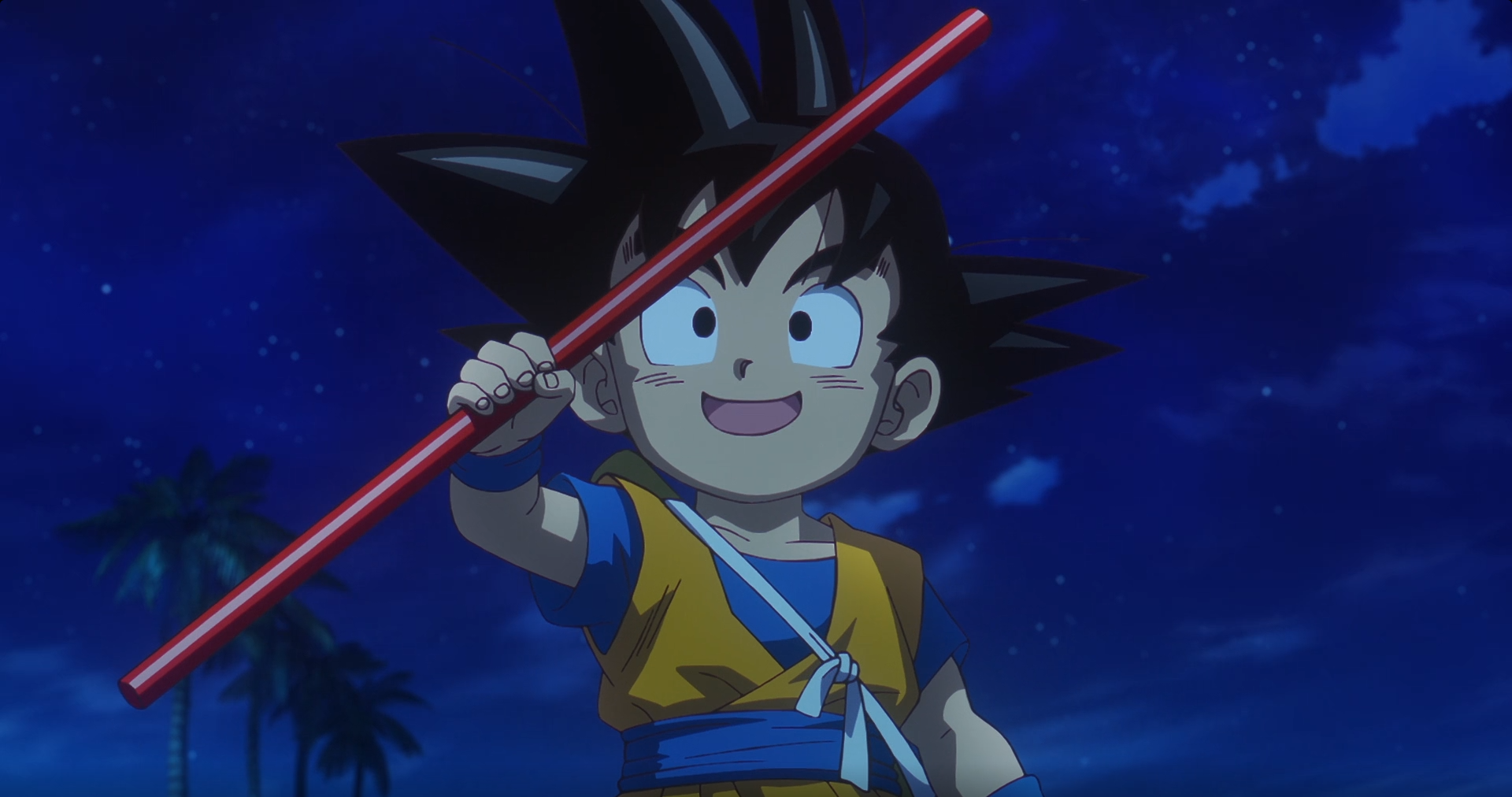
Dragon Ball Daima is not concerned with validating internet debates about power scaling or setting up the next corporate multimedia phase. It is an affectionate, joyful, and surprisingly poignant reminder that Dragon Ball was always meant to be a fun adventure shared with friends over good food and honest brawls.
For audiences willing to set aside expectations of godlike transformations and embrace pure storytelling charm, this complete journey is an absolute treasure and a fitting goodbye to one of the greatest mangaka who ever lived.

Anime and manga fan writing honest reviews and industry news — one person, real opinions, no ghostwriting.