Capcom Data Breach: What the CAPCOM ID Leak Exposed, and Why Melonbooks and Animate Are Blocked Overseas
Capcom confirmed that a hacker reached data tied to 11,774,247 CAPCOM ID records. It is the biggest hit in a wave of October 2026 attacks that also took down Renta! and Comic CMOA and led Animate and Melonbooks to block overseas visitors.
| Category | Anime |
|---|---|
| Published | OCT 23, 2026 |
| Read time | 7 MIN |
The Capcom data breach exposed customer email addresses and login details from 11,774,247 CAPCOM ID records worldwide, Capcom confirmed on October 22, 2026. No credit card data was taken, and Capcom has not found any leak of the passwords players set themselves. The breach is the largest in a wave of cyberattacks on Japanese entertainment companies this month. In the same week, the manga stores Renta! and Comic CMOA went offline, and Animate, Melonbooks and Gamers shut their online shops to overseas visitors. Here's what leaked, what to do, and why so many Japanese sites are suddenly hard to reach.
- Capcom: 11,774,247 CAPCOM ID records exposed (emails, IP addresses, login history). Detected October 19, announced October 22.
- Not leaked: credit card data. Capcom found no leak of customer-set passwords, but 196 accounts had their passwords changed by the attacker.
- What to do: watch for fake "Capcom security" emails, texts and calls. Games and CAPCOM ID still work.
- Stores blocked overseas: Animate and Melonbooks show "access restricted" pages outside Japan, and Gamers' online shop is fully down for maintenance.
- Also hit in October: Comic CMOA (offline since October 15), Renta! (offline since October 18) and honto (via its email vendor).
What Happened in the Capcom Data Breach?
A third party broke into CAPCOM ID, the shared account Capcom uses for its web services and for some online games. Capcom says it spotted suspicious activity on October 19, 2026, blocked the access right away and confirmed the break-in the same day. Here is the timeline from Capcom's own notices:
| Date (2026) | What happened |
|---|---|
| October 19 | Suspicious activity detected and blocked; unauthorized access confirmed the same day |
| October 20 | Incident response team set up; customer data exposure and 196 changed passwords confirmed |
| October 21 | Reported to the Osaka Prefectural Police and Japan's Personal Information Protection Commission |
| October 22 | Public notice: 11,774,247 records affected |
| October 23 | Second notice: 19 of the hijacked accounts were used to open e-Capcom shop pages; investigation of the scope completed |
Capcom says it has identified and dealt with the attack method, but it hasn't said how the attacker got in. Anime News Network's report gave the count as 11,777,247. Capcom's notice says 11,774,247, in both the English and Japanese versions. The number matters less than what is behind it.
What Was Leaked in the CAPCOM ID Breach?
Most of the 11.7 million records are a customer email address plus account metadata, not personal details. Capcom splits the damage into three groups:
| Group | Records | What was exposed |
|---|---|---|
| All affected accounts | 11,774,247 (worldwide) | Email address, account creation date and time, last login date and time, number of logins, IP address used at the last login |
| Part of the above | 43 | Also date of birth, gender, country or region and nickname |
| Part of the above | 196 | Password changed by the attacker (since reset by Capcom) |
| Of those 196 | 19 (Japan) | e-Capcom store page opened: name, phone number, address, gender, date of birth, purchase and inquiry history, address book |
Credit card information is not part of any group. For the other 177 hijacked accounts, Capcom says it found no information that was compromised. For almost everyone affected, the risk is the email address. A list of 11 million emails known to belong to Capcom players is exactly what scammers need, which shapes what you should do next.
What Should Capcom Players Do Now?
Capcom says your registered email can still be used and your games are not affected. It warns that the leaked data could be used for fake emails, texts or phone calls that pretend to come from Capcom. Some practical steps:
- Don't click links in "Capcom security" messages. Go to the Capcom site yourself instead. Capcom's second notice adds texts and phone calls to the warning.
- Change your password if you reuse it. Capcom found no leak of customer-set passwords, but changing a password you also use elsewhere costs nothing.
- Check your account. If you can't log in, your password may be one of the 196 that Capcom reset. Capcom says it will contact affected customers directly.
- Use the official support channels: the Capcom support inquiry form for the Americas and Europe, info-asia@capcom.com for Asia and Oceania, and a toll-free line in Japan (0120-801-271, 10:00 to 20:00 JST).
Capcom is the biggest name in this wave, but for anime and manga fans outside Japan the more visible problem is that Melonbooks, Animate and other stores are now blocked.
Why Are Melonbooks and Animate Blocked Outside Japan?
Both stores are blocking foreign visitors as a security measure. We loaded each site from outside Japan on October 23, 2026, and this is what came up:
| Store | What overseas visitors see | Breach reported? |
|---|---|---|
| Animate online shop | "Access to this site is currently restricted for security reasons." | No |
| Melonbooks / Fromage Books | "We are currently restricting access from overseas due to internet security issues." | No |
| Gamers online shop | Emergency maintenance "as a preventive measure" since October 21, 18:00 JST, with all services stopped until further notice | No |
| honto (DNP) | An error page | Possible leak through its email vendor (see below) |
None of these notices gives an end date. Melonbooks is the only store offering a workaround: it says it is "considering to handle each case individually" and asks overseas customers who want to use the store to email melonbooks-tsuhan@melonbooks.co.jp. Japan-based proxy shopping services should still be able to order for overseas fans, since they buy from inside Japan. Blocking foreign traffic is a common quick fix during an attack wave: it shrinks the number of places an attack can come from while a store reviews its security, but it also locks out every legitimate foreign customer.
Animate, Melonbooks and Gamers have not reported any breach. They are closing the door because of what happened to the stores below.
Which Other Japanese Anime and Manga Sites Were Hacked?
At least three more book and manga services confirmed attacks or possible leaks in October 2026:
| Service | Operator | What happened | Status on October 23 |
|---|---|---|---|
| Comic CMOA | NTT Solmare | Offline since October 15. Up to about 4.2 million records leaked (emails, nicknames, birth dates, gender; hashed passwords in a small part) | Still offline, no restart date |
| Renta! | Papyless | Possible unauthorized access found October 18; service stopped for emergency maintenance | Still offline (maintenance page updated October 21) |
| honto | Dai Nippon Printing | Its email vendor Ymirlink reported a break-in on October 19. Names, emails and internal ID numbers of newsletter subscribers may have leaked; the count is still under investigation | DNP cut the link to the email system; no passwords, cards or purchase history were held by that system |
| CAPCOM ID | Capcom | 11,774,247 records exposed (see above) | Services running |
Renta! says it will consider how to make up for rental titles customers could not read during the outage. Papyless has not yet said whether any customer data was taken. We covered the CMOA case in detail in our Comic CMOA hack explainer. The bigger question is why this is happening to so many companies at once.
Why Are So Many Japanese Companies Being Hacked in 2026?
Publicly reported security incidents in Japan are at a record level this year. Trend Micro counted 607 incidents announced by Japanese organizations from January to September 2026, already more than the 594 in all of 2025. By October 9, the count reached 659, passing the previous record of 645 set in 2024, and the first nine days of October alone added 52. Trend Micro says announcements rose sharply from September.
A Teikoku Databank survey of 1,328 Japanese companies, run from October 9 to 14, shows how common leaks have become:
- 16.2% of companies have had a data leak or a possible one at some point.
- Among large companies, that rises to 30.2%.
- 8.8% of large companies had one in the past year, against 5.0% of small and medium firms.
- 14.8% said they don't know whether they have had one.
Some companies in the survey blamed AI-assisted attacks, and smaller firms said they can't afford proper security. Entertainment companies are an obvious target: they hold millions of customer emails, and fans keep their accounts for years. The industry has been here before. The 2024 ransomware attack on Kadokawa took Niconico offline for about two months. This month's attacks show how little has changed since. Here's how I see it.
Kairo's Take
The more than 11.7 million figure in the headline sounds terrifying, but thankfully payment info and customer passwords weren't actually dumped in this Capcom ID hit. What sucks is having over 11 million emails, IP addresses, and login metadata out in the wild, which just guarantees a massive incoming wave of targeted phishing scams pretending to be official Capcom security alerts. Beyond forcing mandatory log-in accounts for games that really don't need them, it's just another reminder to stay vigilant with your inbox after any major publisher breach.
For more on the business side, read our Comic CMOA hack explainer, how anime studios make money and anime's AI controversies in 2026, or browse all our industry news.
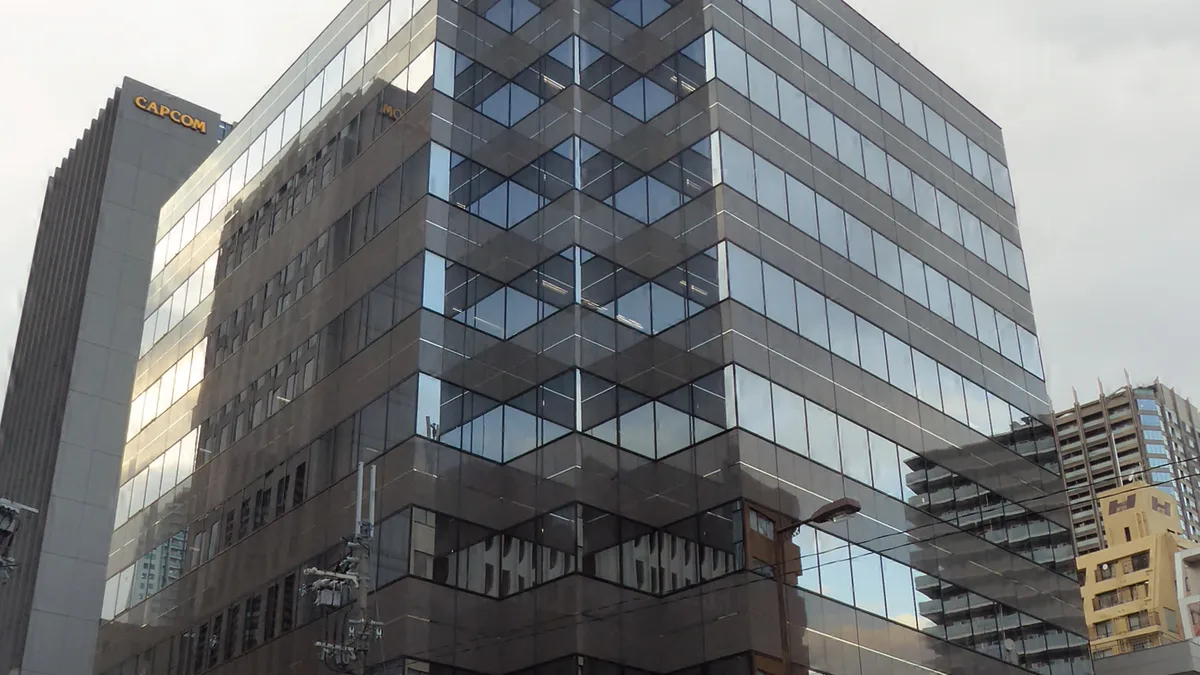
Sources: Capcom, notice of October 22 and update of October 23, Anime News Network, Papyless (Renta!, Japanese), Dai Nippon Printing (honto, Japanese), Trend Micro (incident count, Japanese), Teikoku Databank (company survey, Japanese), Animenomics. Store notices from the Animate, Melonbooks and Gamers sites, checked October 23, 2026. Cover photo: Capcom headquarters in Osaka by Tokumeigakarinoaoshima, via Wikimedia Commons, CC BY-SA 4.0, cropped.

Anime and manga fan writing honest reviews and industry news — one person, real opinions, no ghostwriting.